US Supreme Court Rejects Trump’s Plans on Postal Ballots: Why It Matters
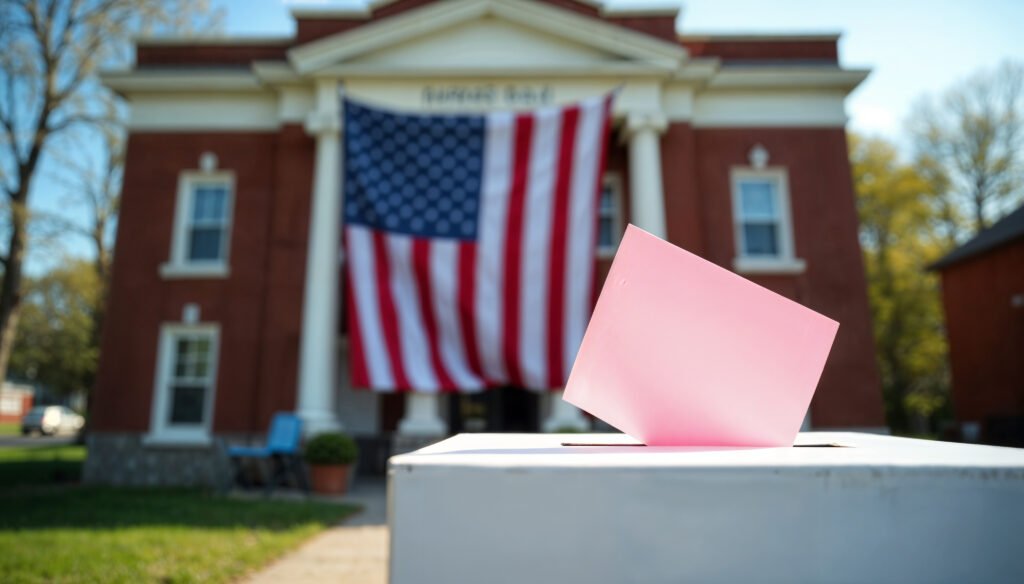
A postal ballot box outside a government building symbolises the ongoing debate over mail voting rules, election laws and voting rights in the United States.
The US Supreme Court has rejected efforts linked to President Donald Trump’s plans to change rules surrounding postal ballots, creating a significant legal and political moment ahead of future American elections.
The decision places limits on attempts to expand federal control over election procedures that have traditionally been managed largely by individual states. The ruling has renewed debate over voting rights, election administration and the balance of power between the federal government and state authorities.
The case has attracted national attention because mail-in voting has become one of the most politically debated aspects of the US electoral system. Supporters argue that postal ballots increase accessibility and allow more citizens to participate, while critics have raised concerns about election security and verification processes.
The Supreme Court’s decision means that major changes to postal ballot rules cannot be implemented through executive action alone without addressing constitutional and legal limits.
What Did the Supreme Court Decide?
The Supreme Court’s ruling focused on whether the federal government could impose new requirements and restrictions affecting postal ballots across the United States.
The justices determined that the administration’s proposed changes exceeded the authority available under existing election laws.
The decision reinforced the principle that election procedures are primarily governed by states, which have historically maintained control over issues such as:
- ballot processing rules
- voter registration procedures
- mail voting deadlines
- election administration systems
The ruling does not eliminate postal voting. Instead, it limits the ability of the federal executive branch to introduce sweeping nationwide changes without approval from Congress or legal authority.
Why Postal Ballots Have Become a Major Political Issue
Postal ballots have been part of American elections for decades, but their political importance increased significantly during the COVID-19 pandemic.
Millions of Americans used mail voting during the 2020 presidential election because of health concerns and expanded access rules introduced by several states.
Since then, postal voting has remained at the centre of political debates.
Republicans have often argued that stricter verification requirements are necessary to protect election integrity.
Democrats and voting rights organisations have argued that excessive restrictions could make voting more difficult for certain groups, including elderly voters, people with disabilities and citizens living far from polling locations.
The Supreme Court ruling adds another chapter to this ongoing national debate.
Trump’s Position on Postal Voting
Donald Trump has repeatedly criticised aspects of mail-in voting, arguing that election systems require stronger safeguards.
During previous election cycles, Trump and many Republican leaders questioned the reliability of postal ballots and called for tighter controls.
Trump’s administration sought changes aimed at increasing federal oversight of mail voting rules, arguing that national standards were necessary.
However, opponents argued that election administration has traditionally been a state responsibility and that federal intervention could interfere with established voting systems.
The Supreme Court’s decision reflects the legal challenges surrounding the extent of presidential authority over elections.
The Importance of State Control Over Elections
One of the biggest implications of the ruling is the continued importance of state authority in managing elections.
The US Constitution gives states significant responsibility for organising elections, including setting many rules for voting procedures.
Each state currently has different approaches to postal ballots.
Some states automatically send ballots to registered voters, while others require voters to request mail ballots before each election.
Rules also differ regarding:
- identification requirements
- ballot return deadlines
- signature verification
- ballot collection procedures
Because of these differences, a nationwide change would represent a major shift in the American election system.
Impact on Future US Elections
The Supreme Court decision could influence how election policies develop before upcoming elections.
For states, the ruling reinforces their authority to design and manage their own voting systems.
For political parties, it highlights the importance of focusing on state-level election strategies rather than relying on nationwide changes.
Campaign organisations from both parties are expected to continue investing heavily in voter registration, election monitoring and turnout efforts.
Mail voting will likely remain a major issue in political campaigns because millions of Americans rely on postal ballots every election cycle.
Reactions From Political Leaders
The ruling has produced different reactions across the political spectrum.
Supporters of stricter voting regulations argue that election systems must maintain strong security measures and public confidence.
They believe concerns about ballot verification should be addressed through additional safeguards.
Opponents of restrictions welcomed the decision, arguing that it protects access to voting and prevents unnecessary barriers for eligible voters.
Voting rights organisations described the ruling as an important reminder that election procedures must follow constitutional limits.
The disagreement reflects the wider political divide over how America should balance election security and voter accessibility.
Supreme Court’s Growing Role in Election Issues
The decision also highlights the increasing role of the Supreme Court in resolving disputes involving elections.
In recent years, the court has considered several major cases involving:
- voting access
- election procedures
- district boundaries
- campaign regulations
- election authority
Because elections involve both constitutional principles and political consequences, Supreme Court decisions in this area often attract national attention.
Legal experts say the court’s role will continue to be important as technology, voting methods and election administration continue to evolve.
What Happens Next?
Following the ruling, any significant changes to postal ballot procedures will likely need to come through Congress or state-level legislation.
States will continue reviewing their own election rules ahead of future voting cycles.
Political parties are also expected to continue debating mail voting as part of broader election strategies.
The issue is unlikely to disappear from American politics because postal ballots remain an important part of voter participation.
Future legal challenges may continue as governments and political groups debate the appropriate balance between election security, accessibility and constitutional authority.
Conclusion: A Major Decision for US Election Rules
The Supreme Court’s rejection of Trump’s postal ballot plans represents an important moment in the continuing debate over election administration in the United States.
The ruling reinforces limits on executive power and confirms the significant role states play in managing elections.
While the decision does not end political disagreements over mail voting, it establishes an important legal boundary for future election policy changes.
As the United States moves toward future elections, postal ballots will remain a key issue influencing discussions about voting rights, election security and the relationship between federal and state authority.
About The Author